Last Updated: 2 November 2026
Quick Summary
Natural wedding photography documents what really happens on the day rather than directing it. Couples can keep their attention on each other and the people around them, use simple movement-based poses, and still arrange key family group shots in advance.
- Talk to each other rather than the lens, and move slowly rather than holding a pose.
- Use simple movement-based poses such as walking together, leaning in or swaying.
- Keep the shot list short and leave open time for candids and details.
- Agree family groupings in advance and name one person to gather everyone.
- Ask to see full wedding galleries, not just highlights, when choosing a photographer.
Table of Contents
- Why Natural Wedding Photography Works Better in 2026
- How to Look Natural in Wedding Photos Without Trying Too Hard
- Natural Wedding Poses for Couples Who Hate Posing
- Building a Wedding Photography Shot List That Still Leaves Room for Candids
- Making Sure Family Group Shots Still Happen
- How to Choose a Wedding Photographer for a Natural Style
- Booking Your Documentary-Style Coverage with James Davidson
- Frequently Asked Questions
Why Natural Wedding Photography Works Better in 2026
Natural wedding photography is the style where the photographer documents what really happens instead of directing it. For many couples, that is the whole point. James Davidson shoots in this documentary style, and the approach suits couples who want their day recorded as it unfolds.
Couples are increasingly asking for this style. One recent survey reported that 67% of 2026 couples prefer natural, unposed, documentary-style photography, though the underlying data is worth checking at the Zola’s First Look Report before you lean on the figure. The direction of travel is clear even if the exact number is not.
Here is why it works better now:
- Phones have made everyone a photographer, so posed shots feel stiff next to casual snaps.
- Couples want albums that feel like their day, not a studio session.
- Guests are more relaxed when they are not being lined up for a picture.
The article gives a few reasons the documentary style is gaining ground, summarised below.
|
Reason |
Why it matters |
Effect on couples |
|---|---|---|
|
Phones have made everyone a photographer |
Posed shots feel stiff next to casual snaps |
Couples want a more candid look |
|
Couples want albums that feel like their day |
A studio session feels less personal |
Demand for documentary-style coverage |
|
Guests are more relaxed |
They are not lined up for a picture |
A calmer, more natural day |
How to Look Natural in Wedding Photos Without Trying Too Hard
The secret to looking natural is to stop trying to look natural. Most people freeze when a camera appears, so the trick is to keep your attention on each other and the people around you.
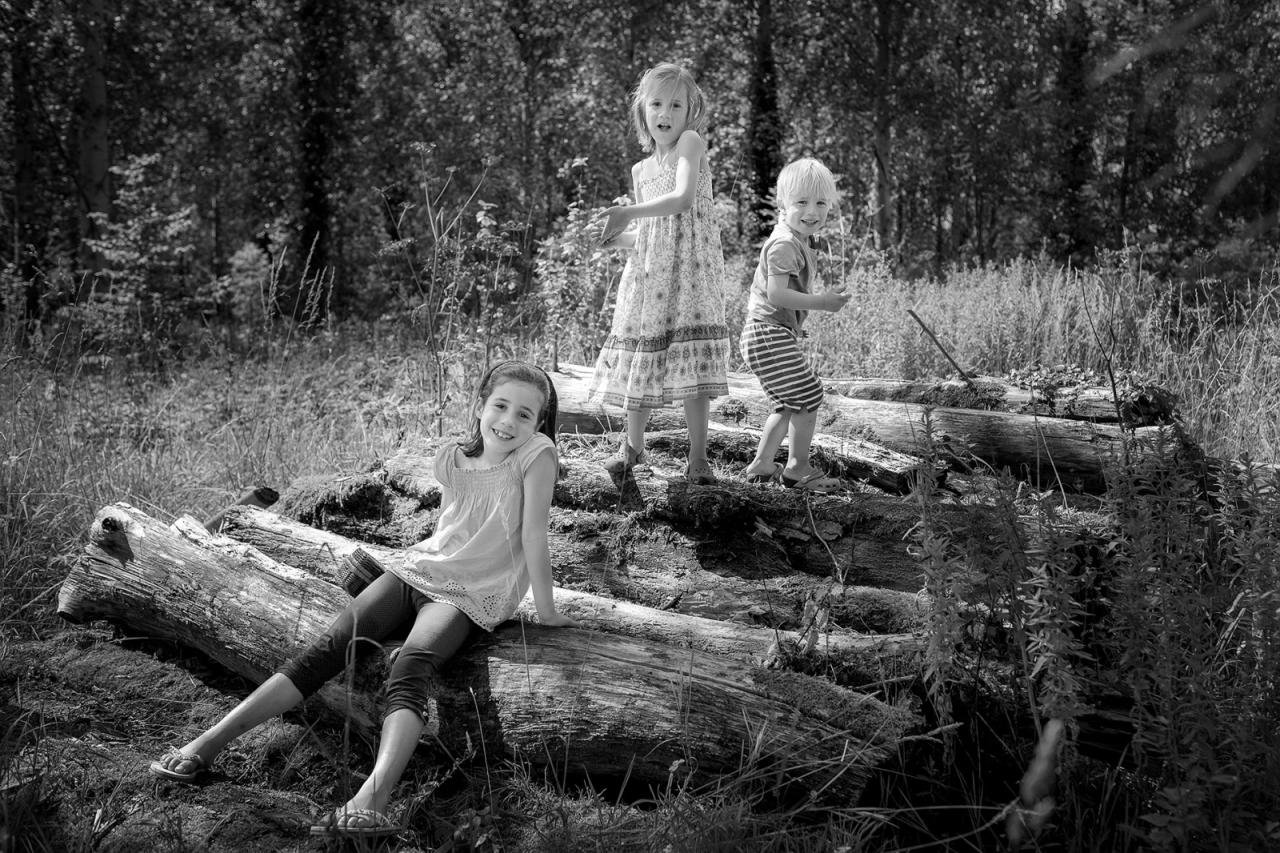
A few habits help:
- Talk to each other, not the lens.
- Move slowly rather than holding a pose.
- Let your hands rest on something rather than hanging stiffly.
- Laugh at something your partner says, even if it is a private joke.
Watch out: do not ask your photographer to tell you exactly how to stand. Instructions make you tense. Trust your photographer to find the moment.
Natural Wedding Poses for Couples Who Hate Posing
If you dislike posing, you can still get flattering photos. Simple, movement-based positions work best.
- Walking together: hold hands and walk towards the photographer, looking at each other.
- Leaning in: rest your foreheads together or lean shoulder to shoulder.
- Dancing or swaying: a slow sway during a quiet moment looks effortless on camera.
- Sitting close: share a bench or step, with one person turned toward the other.
Each of these gives you something to do, so you stop thinking about your face and your posture.
Building a Wedding Photography Shot List That Still Leaves Room for Candids
A shot list helps make sure the key family and formal moments happen. It should still leave space for the unplanned moments that make a documentary album.
Keep your list short. A useful structure:
- Must-have shots: the couple, the wedding party, key family groupings.
- Timing notes: when light is best and when the venue is quietest.
- Open time: a gap in the schedule for candids and details.
Making Sure Family Group Shots Still Happen
Many formal families worry that a documentary approach means no group photos. It does not have to. Agree the family groupings in advance, name one person to gather everyone, and schedule them for a time when the light and the guests are ready.
A short, organised session of family photos can sit alongside relaxed documentary coverage.
How to Choose a Wedding Photographer for a Natural Style
When you compare photographers, look past the polished portfolio. Ask to see full wedding galleries, not just highlights. You want to see how they capture the quiet moments between the big ones.
Good questions to ask:
- Can I see a complete wedding, not just a selection?
- How do you handle group shots and portraits?
- How do you put nervous people at ease?
If you want a practical checklist, read our professional wedding photographer booking guide, which walks through what to ask before you commit. You can also browse our relaxed, unposed documentary wedding photographers to see the style in action.
Booking Your Documentary-Style Coverage with James Davidson
James Davidson has photographed weddings across the UK and Europe, with particular experience at premier Suffolk venues. The style is relaxed and unobtrusive, aimed at capturing honest emotion rather than forced poses.
Read kind words from happy couples to hear from people who have booked this approach, and see an example of documentary work in a real setting in this Bailiffscourt wedding gallery.
For pricing and availability, visit the James Davidson pricing page or get in touch. Ready to talk through your day? Contact me to check your date and discuss the style you want.
Frequently Asked Questions
How can we look natural in wedding photos?
Stop waiting for the camera to tell you what to do. Spend a few minutes before the ceremony talking, walking or laughing together, so your faces relax before the first photos are taken. Focus on each other rather than the lens, breathe out before the shutter, and let your photographer move around you rather than stopping to pose. Couples who settle into conversation usually look far more natural than those trying to hold a smile.
How do you get candid wedding photos?
Candid photos come from a photographer who stays close and unobtrusive through the day. Ask for coverage that includes getting ready, the walk between locations, speeches and the evening, because candids often happen in the in-between moments. Tell your photographer which people matter most to you so they can keep an eye on them. Keeping your schedule relaxed also leaves room for spontaneous moments to happen.
What is the difference between documentary and posed wedding photography?
Documentary wedding photography records what is happening as it unfolds, with little or no direction from the photographer. Posed photography arranges people into set positions for portraits. Most couples want a mix of both: documentary coverage for the emotion and flow of the day, and a short, planned session for formal portraits and family groups. Ask any photographer you consider how much of each they usually deliver.
How do we choose a natural wedding photography style?
Look beyond the highlights in a portfolio and check whether the photographer’s full wedding galleries show real moments, not just polished portraits. Ask to see a complete gallery from a single day. Consider whether you feel relaxed when you speak to them, because that comfort will show in your photos. Confirm how they handle group shots and portraits if your family prefers a more formal approach.
Frequently Asked Questions
Will a documentary photographer still take family photos? Yes. Plan your family groupings in advance and schedule them at a set time. Most documentary photographers can fit these in alongside relaxed coverage.
Do I need to pose for natural wedding photos? Not much. Simple movements such as walking, leaning in, or swaying give the camera something natural to capture.