Quick Summary
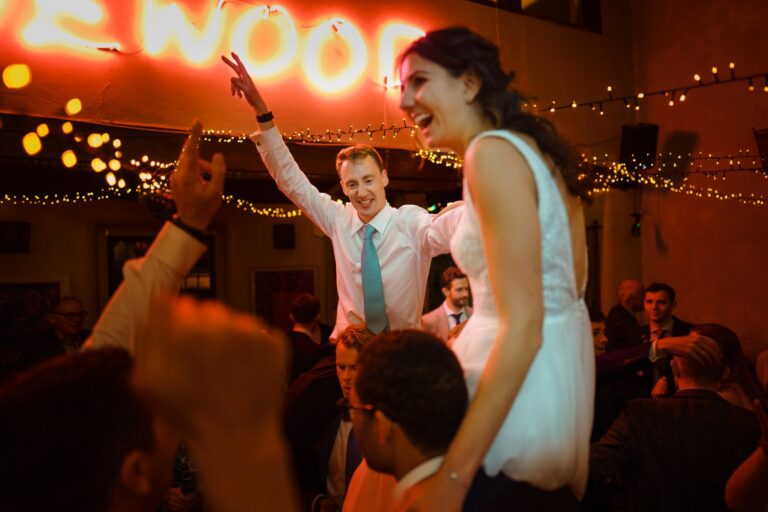
A relaxed wedding photographer works quietly and unobtrusively, so guests forget the camera and the photographs capture natural reactions rather than rehearsed smiles. To judge whether a photographer is truly relaxed, review a complete wedding gallery, not just a curated portfolio. Look for guests interacting naturally and images from quiet moments throughout the whole day.
- Review a complete gallery from a recent wedding, not only the best images.
- Check that guests look at each other and the couple rather than the lens.
- Look for images from preparations, arrivals and quiet gaps, not just headline events.
- Ask the photographer to walk you through one wedding from start to finish.
- Share a one-page outline so the photographer can plan around you.
Table of Contents
- Why a Relaxed Wedding Photographer Changes the Whole Day
- Documentary Wedding Photography: What It Is and Who It Suits
- Reviewing Portfolios and Full Galleries for a Relaxed Approach
- Questions to Ask a Wedding Photographer Before You Book
- Planning the Wedding Photography Timeline Without Constant Posing
- How to Feel Comfortable in Front of the Camera
- Booking Your Relaxed Photographer: Next Steps for Your Wedding
- Frequently Asked Questions
Why a Relaxed Wedding Photographer Changes the Whole Day
A relaxed photographer does more than make you feel at ease for a few minutes. The effect runs through the entire day, from the first cup of tea in the morning to the last dance.
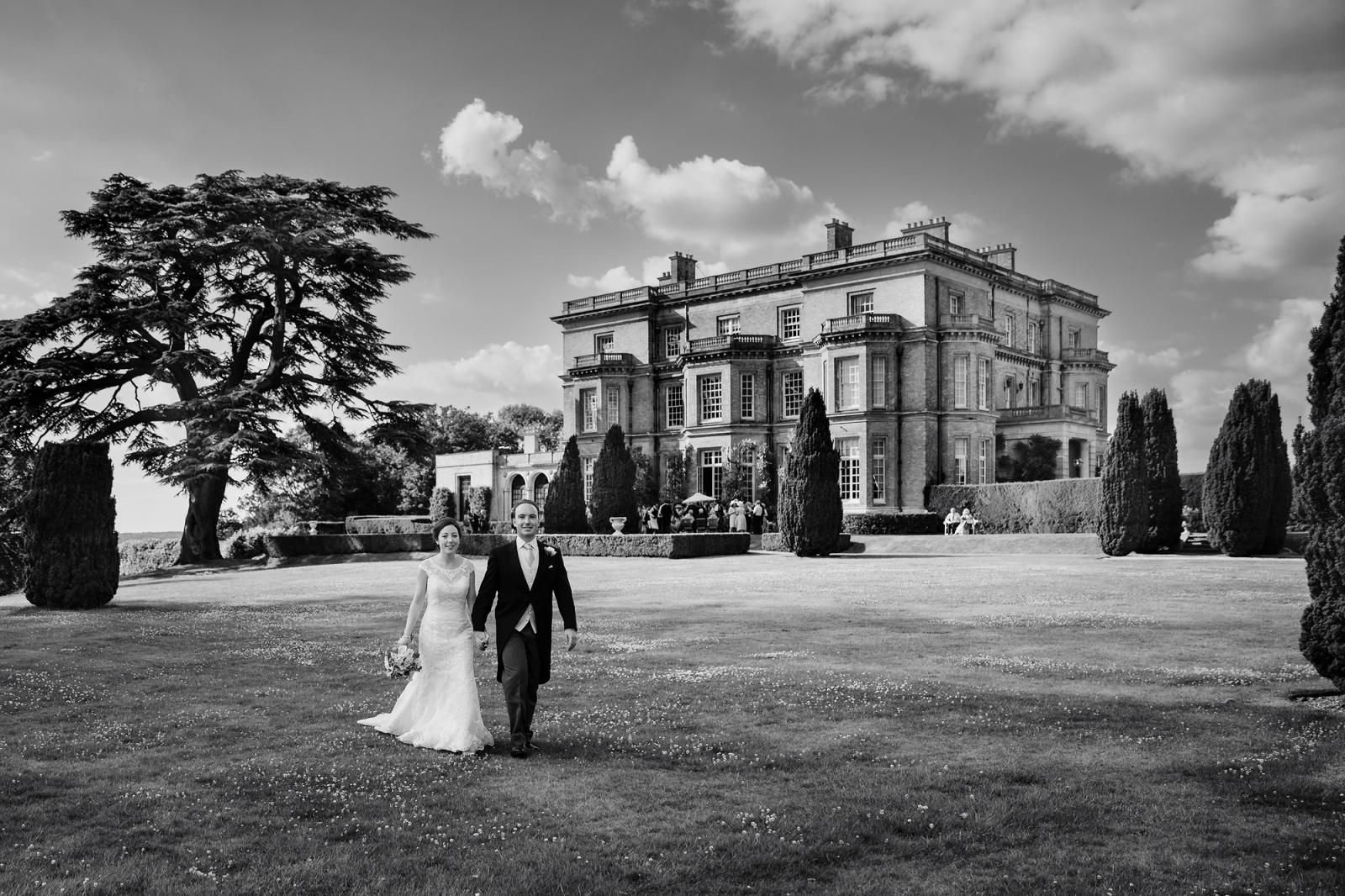
Nerves can be a real obstacle to looking relaxed in photographs. A photographer who puts you at ease early on can help your expressions match how you actually felt.
Documentary Wedding Photography: What It Is and Who It Suits
Documentary wedding photography is an approach that records events as they unfold, rather than arranging them for the camera.
This style suits couples who value authenticity and who would rather have candid images of the people they love than a series of perfectly posed frames.
It may be less suited to couples who want highly stylised, tightly controlled imagery throughout.
Reviewing Portfolios and Full Galleries for a Relaxed Approach
A portfolio of best images tells you what a photographer can do at their finest. A full wedding gallery tells you how they actually work.
The trap is that almost every photographer now describes themselves as relaxed, documentary or unobtrusive. The words cost nothing. The gallery is where the claim is tested. Use the checklist below to judge how relaxed a photographer’s coverage really is.
A gallery checklist for relaxed coverage
Work through a complete gallery from a recent wedding and check each of these:
- Guest awareness of the camera. In most frames, are guests looking at each other and at the couple, or repeatedly catching the lens? A few aware frames are normal; a gallery where guests seem to be watching the photographer suggests they were being managed.
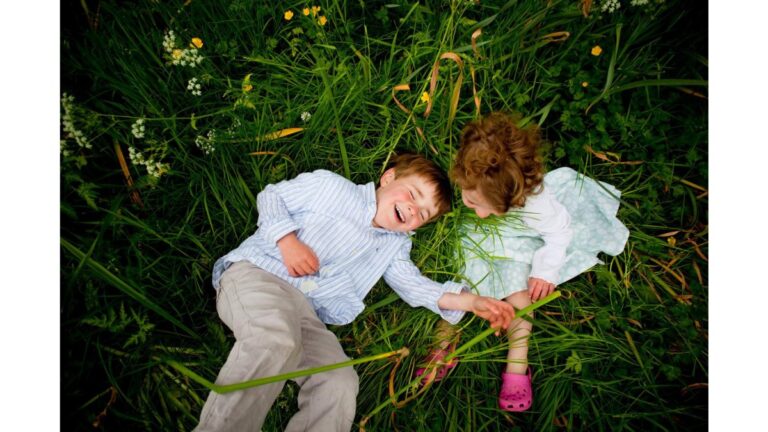
- Range of moments. Count how many images come from the quiet parts of the day, preparations, guests arriving, children playing, the lull before speeches. A relaxed photographer finds pictures in the gaps, not only at the headline events.
- Consistency across the day. Does the quality hold from morning to last dance, including dimly lit rooms and mixed artificial light? A curated set of favourites can hide weak coverage of the reception.
- Balance of documentary and portraits. A genuinely relaxed gallery is mostly observed moments, with a short, natural portrait set. If half the gallery is posed couple frames in different locations, the approach is more directed than advertised.
- Expression and body language. Do couples look absorbed in each other, or are they holding a pose? Look at hands, shoulders and eyelines, stiffness shows there first.
- Guest interactions. Are there images of the people you love talking, laughing and reacting? A gallery heavy on decor and detail but light on people is a warning sign.
Questions that turn a gallery review into evidence
Ask for one or two complete galleries from recent weddings, ideally at venues with a similar feel to yours. Then ask the photographer to talk you through a single wedding from start to finish. Their commentary reveals more than the images alone.
The gallery checklist below sets out what to look for when judging how relaxed a photographer’s coverage really is.
|
Check |
What to look for |
Warning sign |
|---|---|---|
|
Guest awareness of the camera |
Guests looking at each other and the couple |
Guests repeatedly catching the lens |
|
Range of moments |
Images from preparations, arrivals and quiet gaps |
Mostly headline events only |
|
Consistency across the day |
Quality holds from morning to last dance |
Weak reception coverage behind curated favourites |
|
Balance of documentary and portraits |
Mostly observed moments with a short portrait set |
Half the gallery is posed couple frames |
|
Expression and body language |
Couples absorbed in each other |
Stiffness in hands, shoulders and eyelines |
|
Guest interactions |
People talking, laughing and reacting |
Gallery heavy on decor and detail |
|
Difficult lighting |
Backlit windows and candlelit rooms handled well |
Everyone moved to flattering light |
Questions to Ask a Wedding Photographer Before You Book
The right questions will reveal far more about the working relationship than the price list.
Start with how the photographer works on the day. Ask how much direction they give couples during portraits and how they move around a room without interrupting.
Next, ask about the practical details. Find out what coverage is included and how the images will be delivered.
Finally, ask about the group photographs.
Planning the Wedding Photography Timeline Without Constant Posing
A good timeline gives your photographer room to observe, which is what makes a relaxed approach possible. The aim is not to eliminate portraits and group photographs, most couples want both, but to fit them into the day so they feel like a short, natural part of it rather than a photoshoot with a wedding attached.
A realistic shape for the day
Most relaxed timelines follow a similar pattern. The exact timings depend on your ceremony time and the season, but the proportions are worth borrowing:
- Preparations. Coverage of one or both partners getting ready, with the photographer working quietly around the room. Build in a buffer so the photographer is not arriving at the same moment as the florist.
- Ceremony. Unobtrusive coverage from a fixed position or two, with no moving around during vows. Agree beforehand where the photographer can stand without blocking guests.
- Drinks reception. The richest documentary window of the day. Give the photographer at least 45 to 60 minutes of free movement among guests before calling anyone together.
- Group photographs. A short, tightly managed block immediately after the ceremony, while everyone is still in one place. Twenty to thirty minutes is enough for a well-organised list of around eight to twelve groupings.
- Couple portraits. A brief walk away from the crowd, ideally 15 to 20 minutes, timed for good light. Two shorter windows often work better than one long one.
- Wedding breakfast and speeches. Documentary coverage throughout, with the photographer positioned to catch reactions as well as speakers.
- Evening. First dance, dancing and informal moments, with perhaps a second short portrait window at dusk if the light and the couple’s energy allow.
Keeping group photographs low-pressure
Group photographs are where relaxed days most often go wrong. The fix is preparation, not avoidance.
- Write the list in advance and keep it short. Eight to twelve groupings covers most families. Put the largest groups first, while everyone is present, and work down to smaller ones so people can drift away.
- Name a helper on each side. One guest from each family who knows who is who can gather people far faster than the photographer, who may not recognise cousins and plus-ones.
- Give timings to your guests. Announce the group photograph window during the drinks reception, or put it on a small sign, so people expect it and are not hunted down mid-conversation.
- Build in slack. Families are rarely assembled on the first call. Allow a few extra minutes and accept that some frames will include a late arrival.
- Agree the tone. Tell the photographer whether you want traditional line-ups or a looser, more informal arrangement. Both can be quick; the difference is in how they are directed.
Travel, light and the limits of the plan
If you are moving between locations, count the travel honestly and add a margin. A short drive can easily consume half an hour once cars, guests and parking are involved.
Light matters as much as time. In winter, the useful daylight may end shortly after the ceremony, so portraits need to happen early or be made with artificial light. In high summer, the harshest light falls in the middle of the afternoon, and a photographer may prefer to wait until early evening.
Finally, build in a few minutes of quiet time together, away from the crowd. It often produces the most natural images of the day, and it gives you a moment to breathe.
How to Feel Comfortable in Front of the Camera
Most people feel self-conscious in front of a camera at first, and that is normal.
A few practical steps help. Talk to your photographer before the day so they know your personalities and how you like to be spoken to.
Trust the process. Your photographer should be guiding you gently, offering small suggestions such as shifting your weight or turning towards each other, rather than issuing rigid commands.
Booking Your Relaxed Photographer: Next Steps for Your Wedding
Once you have shortlisted a few photographers, look at their pricing on the James Davidson website and read what past clients have said.
When you are ready, reach out through the contact page to arrange a conversation. Before you do, you can read about the photographer behind the work.
If you are looking for a relaxed, documentary-style approach that keeps the focus on genuine moments, get in touch with James Davidson to discuss your day.
Frequently Asked Questions
How do you choose a wedding photographer who makes you feel comfortable?
Start with a conversation rather than a price list. Notice whether the photographer asks about your day, your families and what matters to you, and whether they listen. A relaxed photographer usually explains how they work, what they will ask of you and how they handle group photographs. Meeting or video calling before booking lets you judge the working relationship. Ask to see full wedding galleries, not only highlight images, because they show how the photographer treats quieter moments, portraits and the less glamorous parts of the day.
What should you look for in a wedding photographer’s portfolio?
Look for consistency across whole weddings rather than a handful of striking images. Full galleries show how a photographer captures the morning, the ceremony, the speeches and the evening. Check whether the people in the photographs look at ease, and whether the couple appears to be enjoying themselves. If you want documentary wedding photography, look for candid moments that feel unposed. If you need traditional group shots, confirm those are included in the galleries you review.
Will a documentary wedding photographer still take proper group photographs and portraits?
Many documentary wedding photographers do, but it is worth confirming before you book. Ask for a list of the group photographs you can expect, how long they usually take and whether they will arrange them with your family in mind. Tell your photographer about any formal requirements early so they can plan the timeline around them. Clear expectations at the outset prevent disappointment on the day and mean the portraits you want are actually captured.
How much time should you allow for wedding portraits?
Allow a focused window for portraits rather than spreading them across the day. The time needed depends on how many groups you want and how large your families are. Discuss the list of groups with your photographer in advance. A relaxed photographer will work quickly and keep the process comfortable, so the time spent in front of the camera feels short.
Should you meet your wedding photographer before booking?
Meeting or speaking with your photographer before booking is a sensible step. It tells you whether you feel at ease with their manner and whether they listen properly. A call or meeting also gives you a chance to ask about their experience, how they work at your venue and what happens if plans change. You will spend a long day together, so choosing someone you trust and enjoy talking to makes a real difference to how natural your photographs feel.