Last Updated: 30 October 2026
Quick Summary
A documentary wedding photographer follows your day as it unfolds rather than directing poses, which suits anxious couples who dread standing still. Look for minimal direction, a signal to pause, agreed portrait limits and a portfolio of genuine, unposed moments.
- Documentary coverage gives fewer instructions, fewer forced smiles and less time spent posing.
- Agree a signal with your photographer that lets you pause without explaining yourself to guests.
- Decide your portrait limit in advance and hold to it on the day.
- Ask how they handle nervousness, sensory needs and family group photos before booking.
- Check that a portfolio shows guests mid-conversation rather than people looking at the camera.
Table of Contents
- Why Anxious Couples Often Prefer Documentary Wedding Photography
- What a Documentary Wedding Photographer Actually Does on the Day
- How to Feel Comfortable in Wedding Photos Without Posing
- Will a Documentary Wedding Photographer Still Take Family Photos?
- Documentary Wedding Photography Examples to Look For in a Portfolio
- Choosing a Wedding Photographer for Camera-Shy Couples
- Booking Your Consultation and Setting Expectations Early
- Frequently Asked Questions
Why Anxious Couples Often Prefer Documentary Wedding Photography
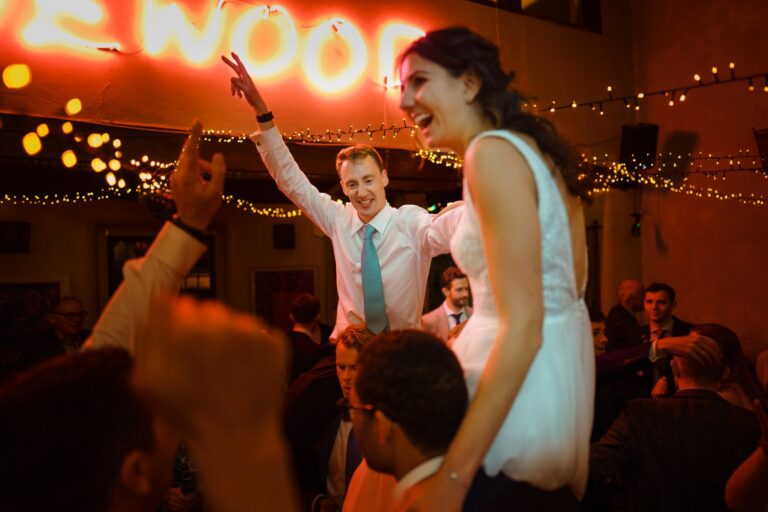
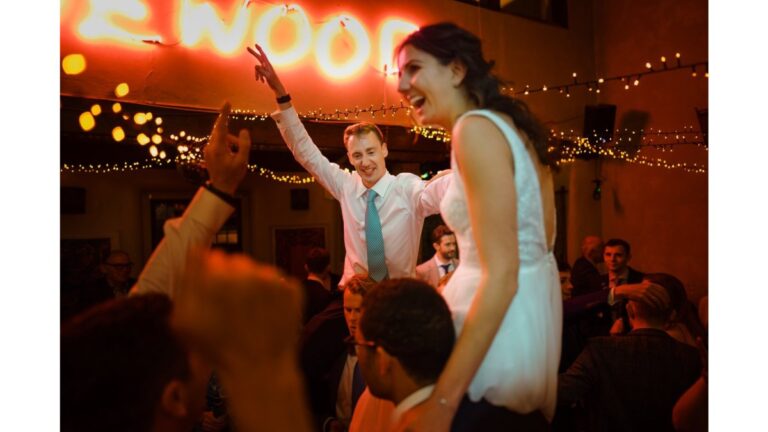
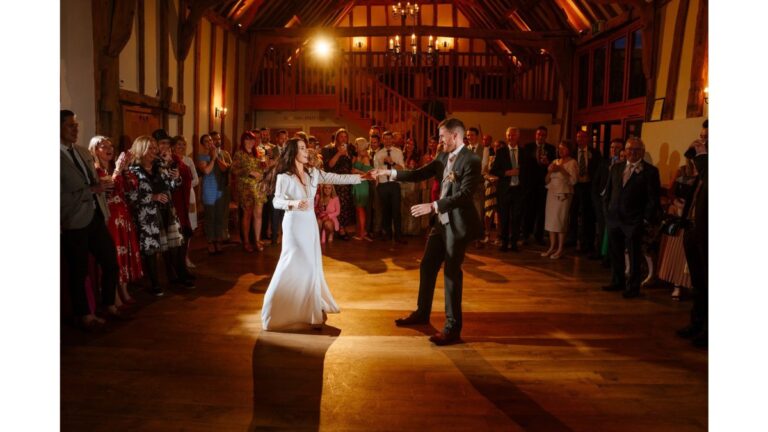
Many couples dread the idea of standing still while a photographer shouts instructions. You can see this relaxed, unposed documentary wedding photography style in practice.
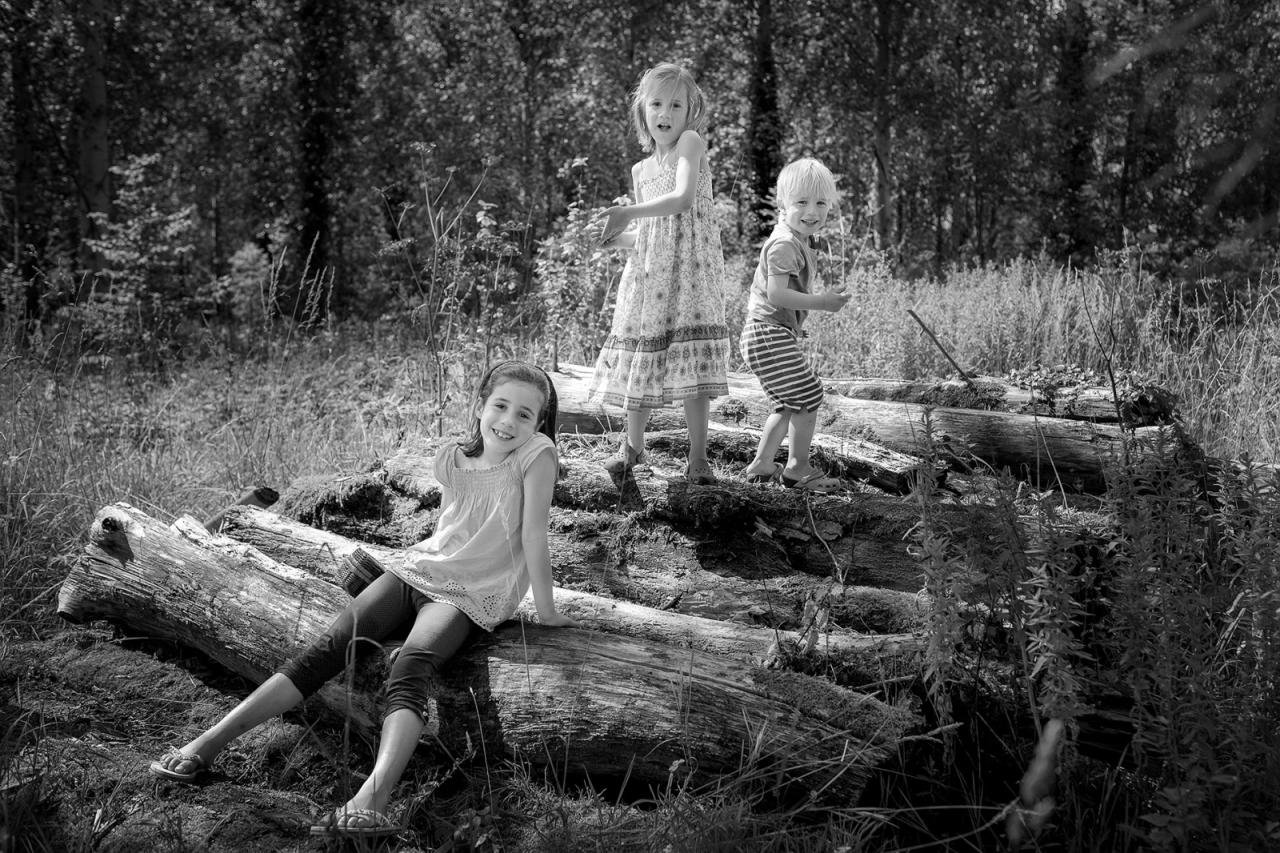
For anxious couples, that difference matters. Documentary-style coverage means fewer instructions, fewer forced smiles and less time spent posing.
The reasoning is simple. When a photographer is busy observing rather than directing, the couple can relax into the day.
- Fewer directions mean less pressure to perform
- Candid moments feel more natural than staged ones
- Couples can focus on each other and their guests
The main differences between documentary coverage and traditional posed photography are set out below.
|
Approach |
Direction given |
Best for |
|---|---|---|
|
Documentary |
Minimal; photographer follows the day |
Couples who dread posing |
|
Traditional posed |
Frequent instructions and set poses |
Couples who enjoy being directed |
|
Hybrid |
Short, relaxed portrait slots |
Couples who want some portraits |
What a Documentary Wedding Photographer Actually Does on the Day
A documentary wedding photographer works like a quiet observer.
In practice, this means watching for the moments that tell the story. A father’s hand on a shoulder during a speech.
The photographer’s job is less about controlling the scene and more about being ready when it happens.
Watch out: a photographer who keeps asking you to pose has stopped documenting and started directing.
How to Feel Comfortable in Wedding Photos Without Posing
Most advice for camera-shy couples stops at “just relax and be yourself”. That is not a plan, and for an anxious couple it is not much help. What follows is a practical sequence you can work through before the day and fall back on during it.
Before the wedding
- Agree a signal with your photographer. A word or a hand gesture that means “I need a moment” lets you pause without having to explain yourself in front of guests.
- Visit the venue together if you can. Walking through the spaces where photographs will happen removes one layer of the unknown.
- Practise being photographed while doing something. Ask a friend to take pictures while you make a cup of tea, set a table or walk the dog. The aim is not to look good but to get used to the camera being present.
- Write down your three biggest worries. Share them with your photographer. Naming a fear such as “I hate my profile” or “I freeze in group shots” gives them something concrete to work around.
- Decide your portrait limit in advance. Some couples are happy with ten minutes; others want two short slots. Agree the number and hold to it.
During the day
- Use the signal early. Anxiety is easier to manage at the first flicker than after it has built.
- Give yourself a job. Holding a drink, greeting a guest or checking on a family member gives your hands and attention somewhere to go.
- Focus on one person at a time. During portraits, talk to your partner about something real, the first time you met, a shared joke, what you are looking forward to. The camera catches the conversation, not the pose.
- Step outside if you need to. A two-minute break in a quiet room is not a failure of the day; it is part of managing it.
If you have specific anxiety needs
Not all nervousness is the same. If you are neurodivergent, experience sensory sensitivities or live with social anxiety, tell your photographer what actually helps. Useful things to discuss include:
- Whether flash or shutter noise is likely to be an issue, and whether they can work more quietly
- Whether they can avoid crowding you during getting-ready photographs
- How they will communicate instructions, if any, written, spoken or demonstrated
- Whether they are comfortable with you wearing ear defenders or taking regulation breaks
- What they will do if you become overwhelmed and need to stop
A photographer who has thought about these questions before will answer them plainly. One who has not may still be willing to learn, but you should hear that willingness in the conversation.
What to do if you feel awkward on the day
Awkwardness happens, even to couples who thought they were prepared. The important thing is what the photographer does next. A documentary-led photographer should give you something to do rather than a pose to hold, walk together, look at each other, talk about the next thing on the schedule.
It also helps to accept that a few stiff frames are not a disaster. Documentary coverage is built around the moments between the posed ones, and those moments usually arrive once the pressure to perform has passed.
Will a Documentary Wedding Photographer Still Take Family Photos?
Yes, most documentary wedding photographers still take family photos. Our page on documentary photographers and family photos explains how group shots are handled.
This matters for families who value traditional group photos. Ask the photographer how they handle family portraits, how long they take and who arranges them.
Plan your family shot list in advance. Share it with your photographer so they can gather the right people at the right time.
Documentary Wedding Photography Examples to Look For in a Portfolio
A strong portfolio shows how a photographer handles real moments, not just perfect poses. You can browse a real Suffolk farm wedding photography gallery to judge the look and feel. When reviewing work, look for images that feel unforced and full of genuine emotion.
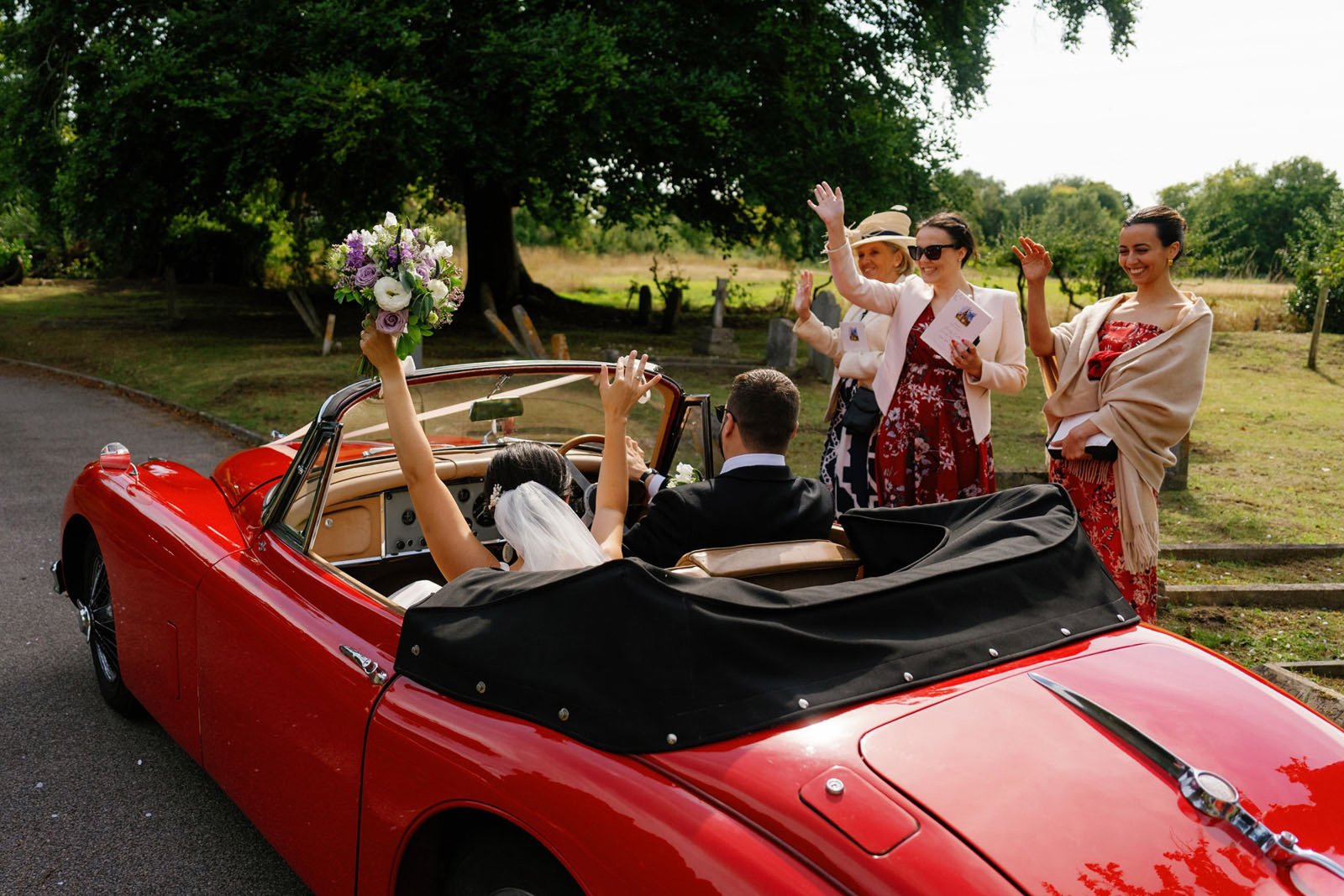
Use this checklist as you browse:
- Candid shots of guests laughing or talking
- Emotional moments such as speeches and vows
- Details like rings, flowers and place settings
- Relaxed couple portraits with natural body language
- A sense of the full day, from getting ready to the evening
Pay attention to consistency. A good documentary photographer should deliver a coherent story across the whole gallery, not just a few standout frames.
Choosing a Wedding Photographer for Camera-Shy Couples
Camera-shy couples need a photographer who puts them at ease. Ask direct questions during your first conversation. How do they help nervous couples?
Look for a photographer who explains their approach clearly and listens to your concerns.
Consider a short engagement shoot. It gives you the chance to see how you feel in front of the camera before the big day.
Booking Your Consultation and Setting Expectations Early
Book a consultation as soon as you have a date and a rough shape for the day. Early booking gives you time to talk through concerns, ask about coverage and timings, and change your mind if the fit is wrong. Treat the consultation as a two-way assessment, not a sales call.
Questions to ask, and what a good answer sounds like
- How much of the day will you photograph? Look for a clear start and finish, and ask what happens if the schedule slips.
- How do you approach posed portraits? A documentary-led photographer should describe short, low-pressure slots and explain how they keep them brief.
- What happens if we feel awkward on camera? Listen for a concrete response, a signal, a change of activity, a break, rather than reassurance alone.
- How will you handle family group photos? Ask who gathers people, how long the groups take and what happens if someone is missing.
- How do you decide when to step back? This separates genuine documentary practice from marketing language.
How to tell whether a photographer is genuinely unobtrusive
Marketing pages describe almost every photographer as “documentary” and “unobtrusive”. Use the portfolio and the conversation to test the claim:
- Do the galleries show guests mid-conversation, or mostly people looking at the camera?
- Are there images from quiet, in-between moments, waiting, getting ready, the walk between events?
- Do the couple portraits look like a conversation or a pose?
- Can the photographer show you a full wedding gallery, not just a highlights reel?
- Do they describe what they do during the ceremony, when movement is limited?
If the answers and the portfolio disagree, trust the portfolio.
Boundaries, consent and privacy
Anxious couples often have specific things they do not want photographed or shared. Raise these before booking, not after.
- Sensitive moments. Tell the photographer if there are family situations, readings or parts of the day you would rather not have documented.
- Guest photography. Ask how they work alongside guests taking phone photos, and whether they will ask guests to stay out of the way during key moments.
- Sharing and publication. Ask whether images will appear on their website or social media, how long they keep files, and how you can opt out. Get the answer in writing.
- Delivery and storage. Confirm how images are delivered, in what format, and how long they are backed up.
A realistic timeline for couples who dislike portraits
You do not have to choose between documentary coverage and having a few photographs of the two of you. A common pattern is:
- Getting ready: 45-60 minutes, mostly observation with a few short directed moments.
- Ceremony: full coverage, with the photographer working from a fixed position where possible.
- Drinks reception: 30-45 minutes of guest coverage, plus 10-15 minutes of relaxed couple portraits away from the crowd.
- Speeches and meal: observation, with short bursts around key moments.
- Evening: first dance and a small number of guest photographs, then documentary coverage until the agreed finish.
Ask your photographer to put approximate timings in writing. Knowing that portraits will take fifteen minutes rather than an hour changes how the day feels before it has even started.
For pricing and package details, visit the James Davidson website or get in touch for a quote. Setting clear expectations early makes it far easier to enjoy the day.
Frequently Asked Questions
What does a documentary wedding photographer do?
A documentary wedding photographer follows the day as it unfolds and records genuine moments rather than arranging them. They move through the ceremony, the speeches and the reception quietly, capturing emotion, small details and guest reactions as they happen. For anxious couples, this means you spend far less time being directed and more time simply being at your own wedding.
Is documentary wedding photography suitable for camera-shy couples?
Often yes, because it asks very little of you in front of the lens. Rather than holding poses for long periods, you carry on with your day while the photographer documents it. Many camera-shy couples find they relax after the first hour once the camera stops feeling like the focus. It helps to talk with your photographer beforehand about how you feel, so they can adjust how they approach you.
Will a documentary wedding photographer make us pose?
Not for the majority of the day. Documentary coverage is built on unposed images, so you should expect very little direction outside a short portrait session. If you want a particular type of shot, such as a couple portrait at a specific location, ask for it in advance so it can be planned into a relaxed slot. A good photographer will keep any posing brief and give clear, gentle cues.
How do we choose a wedding photographer if we feel anxious in front of the camera?
Start with portfolios that show real moments rather than staged set-ups, and look for couples who appear natural and at ease. Ask how many weddings the photographer has covered and whether they have experience with nervous clients. Arrange a conversation before booking so you can judge how the photographer makes you feel. Trust your instinct: the right photographer should feel like someone you would be happy to spend a long day around.
Ready to see whether documentary-style coverage suits you? Get in touch with James Davidson to talk through your day, your nerves and the photos you want to keep.