Quick Summary
The UK photographers known for a relaxed, non-posed style are those who practise genuine unposed wedding photography, recording the day as it unfolds without directing positions or asking for held smiles. At James Davidson, we photograph what genuinely happens while you get on with your wedding, stepping back after a handful of family groups and a short walk with the two of you.
- Genuine documentary portfolios show sequences of the same moment unfolding, not single staged frames.
- Ask to see two or three complete wedding galleries rather than a curated highlights feed.
- Request a winter and a wet-weather wedding to test consistency in flat light.
- A short group-shot window of ten to fifteen minutes after the ceremony fits a documentary day.
- We have photographed close to a thousand weddings across the UK and Europe.
Table of Contents
- What Relaxed, Unposed Documentary Wedding Photography Actually Means
- How to Spot Genuine Unposed Wedding Photography
- Natural Wedding Photography: Why It Suits Couples Who Hate Being Posed
- Why Experience Matters More Than a Single Style Label
- Questions to Ask a Wedding Photographer Before You Book
- Wedding Photography Packages and Coverage: What to Compare
- Conclusion: Choosing a Photographer Who Fits Your Day
- Frequently Asked Questions
What Relaxed, Unposed Documentary Wedding Photography Actually Means
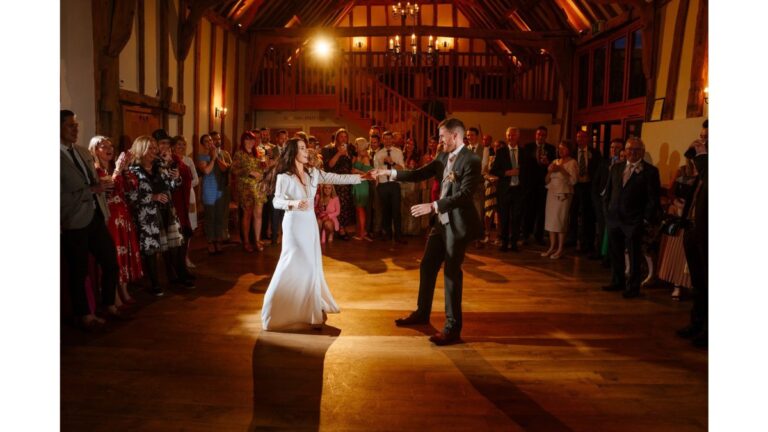
Unposed wedding photography is a way of working that records your day as it unfolds, without directing you into positions or asking you to hold a smile. At James Davidson, we describe it simply: you get on with your wedding, and we photograph what genuinely happens.
That distinction matters more than most couples realise when they start shortlisting photographers. Two portfolios can look similar at a glance, yet one was built by a photographer who waited for real moments and the other by someone who arranged every frame and called it candid.
A documentary approach means no shot list running the day, no pulling you out of conversations for a staged kiss against a wall, and no hour-long portrait session that leaves you missing your own drinks reception. It does not mean no portraits at all. The best documentary photographers still take a handful of family groups and a short walk with the two of you, then step back.
The rest of this guide covers how to tell genuine reportage from dressed-up posing, what to ask before you book, and how to compare coverage fairly.
How to Spot Genuine Unposed Wedding Photography
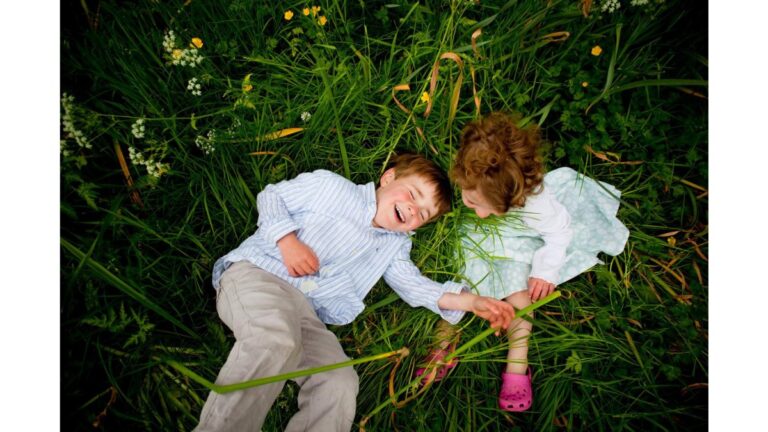
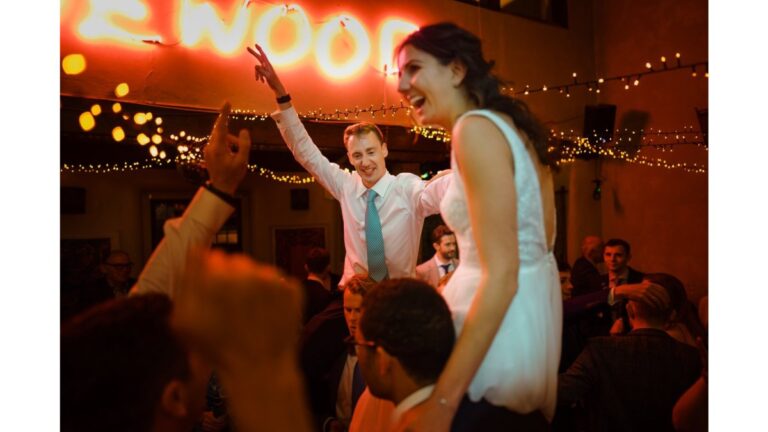
Genuine unposed wedding photography shows people mid-action: mid-laugh, mid-conversation, mid-gesture. Look for imperfect framing, messy backgrounds and expressions you would never hold on purpose. Those are the fingerprints of a photographer who was actually there, watching, rather than staging.
Here is what separates the real thing from a polished imitation:
- Sequences, not single frames. A genuine documentary photographer can show you three or four images of the same moment unfolding. Staged work rarely survives a sequence.
- Guests looking away from the lens. If every guest in every image is camera-aware, someone was directing.
- Reactions during speeches. Real laughter, real tears, awkward half-smiles. These are impossible to fake convincingly.
- Movement blur that works. A slightly soft hand or a turned head usually means the moment was caught, not manufactured.
- The in-between bits. Shoes being fastened, a father pacing, a bridesmaid fixing a strap. Posed coverage skips these.
What a Documentary Portfolio Should Show You
Ask to see two or three full weddings, not just a highlights gallery. A curated feed of 30 images tells you almost nothing about consistency. Full galleries reveal whether the photographer delivers through the quiet parts of the day, not only the dramatic ones.
Watch for the same tricks repeating. If every wedding features the same silhouette shot at the same time of day, you are looking at a formula.
Natural Wedding Photography: Why It Suits Couples Who Hate Being Posed
Natural wedding photography suits couples who feel awkward in front of a camera because it removes the performance. You are not asked to act. You are asked to be present, and the photographs follow from that.
Most people who say they hate being photographed are not shy. They simply dislike the feeling of being watched and instructed. The fix is not confidence coaching. It is a photographer who gives you something to do, or nothing at all.
A common mistake is booking a documentary photographer and then discovering, three weeks before the wedding, that you wanted formal family groups after all. Raise it at the enquiry stage. Any experienced photographer can build a short, efficient group-shot window into a documentary day, usually ten to fifteen minutes after the ceremony, and then disappear again.
The same applies to couple portraits. Twenty minutes away from your guests, timed for good light, is usually plenty. An hour is a different wedding entirely.
Why Experience Matters More Than a Single Style Label
Experience matters more than the style label because weddings are unpredictable. Light fails, timings slip, relatives cry at the wrong moment, and a registrar moves the ceremony to a different corner of the room. A photographer who has covered hundreds of days reads those shifts and adapts without being asked.
We have photographed close to a thousand weddings across the country and further afield in Europe. That volume builds a specific skill: knowing where the emotional beats will fall before they happen.
Style labels are cheap. Anyone can write “relaxed and natural” on a website. What you are actually buying is judgement, and judgement only comes from repetition.
Questions to Ask a Wedding Photographer Before You Book
Ask about coverage hours, group shots, backup equipment and what happens if the photographer is ill. The answers tell you more about reliability than any portfolio will.
The Questions Couples Ask Most
“How do I know you’ll capture the moments that matter?” Ask to see a full gallery from a wedding similar to yours in size and venue type. Then check whether the quiet moments made it in.
“We’re a formal family. Will we still get proper group shots?” Yes, if you ask for them. A documentary approach and a short group-shot list are not in conflict. Be explicit about numbers and names.
“I get anxious in front of cameras. What if I look stiff anyway?” The honest answer is that the first few minutes may feel odd and then you will forget. Good documentary photographers work at a distance with longer lenses and give you small tasks rather than big directions.
“How many weddings have you actually shot?” Ask directly. Experience shows in how calmly a photographer handles the unexpected.
“What happens if we don’t like the photographs?” Read the contract carefully. Ask about backup equipment, file backups and whether a second photographer is included. Be wary of anyone who cannot explain their process clearly.
“We’re marrying somewhere far from your usual venues. Is that a problem?” Ask about travel costs and whether they have worked in that region before. Distance is rarely the issue; unfamiliarity with a venue’s timings can be.
Wedding Photography Packages and Coverage: What to Compare
Wedding photography packages and coverage vary more than most couples expect, and the headline price rarely tells the full story. Compare on hours, deliverables and what happens after the day.
|
What to Compare |
Why It Matters |
What to Ask |
|---|---|---|
|
Coverage hours |
Determines whether preparations and dancing are included |
How many hours, and from what time? |
|
Pre-ceremony coverage |
Getting-ready shots are often excluded from cheaper tiers |
Is preparation time included or extra? |
|
Group shots |
Formal families need a defined window |
How long, and how many groups? |
|
Couple portraits |
Some packages include a set walk; others do not |
How long away from guests? |
|
Second photographer |
Useful for large venues or split locations |
Included, or an add-on? |
|
Delivery format |
Online gallery, USB, print rights |
What exactly do we receive? |
|
Turnaround time |
Affects thank-you cards and anniversaries |
How many weeks for the full gallery? |
|
Travel and accommodation |
Matters for venues far from home |
What is charged, and how is it calculated? |
Pricing depends on date, coverage length and delivery, so it is worth checking the current pricing page and asking for a written quote rather than comparing headline figures across photographers. A cheaper package that excludes preparations is not cheaper if you wanted those photographs.
Conclusion: Choosing a Photographer Who Fits Your Day
The hardest part of choosing a documentary wedding photographer is not finding someone whose gallery you like. It is finding someone whose manner suits you, because you will spend more of your wedding day with them than with almost anyone else.
Look for a photographer who shows you complete weddings, answers questions about group shots without flinching, and can explain exactly what happens if the light or the timing goes wrong. That combination is what separates a relaxed, unposed record of your day from a set of photographs that merely look candid.
If you want honest, artistic coverage from someone who has photographed close to a thousand weddings and works regularly at leading venues across the UK and Europe, we would love to hear about your plans. Get in touch with James Davidson to check availability and talk through coverage, group shots and the parts of the day you care about most.
Frequently Asked Questions
Will a documentary wedding photographer still take posed group shots?
Yes, and you should confirm this before booking. A relaxed, unposed approach usually means the bulk of the day is captured candidly, but most photographers will still organise a short set of formal group shots and a handful of couple portraits. The difference is that these are kept brief and light-touch so they don’t take over the day. Ask exactly how long they set aside for groups and whether they work from a list you supply in advance.
How can I tell whether a photographer’s unposed wedding photography is genuinely documentary?
Look for full wedding galleries rather than a highlight reel. Genuine unposed wedding photography shows messy, in-between moments: guests mid-conversation, children running about, a bride adjusting a strap. Check whether the same faces appear across a whole day rather than only in styled shots. Ask to see two or three complete weddings from venues similar to yours, and notice whether the images feel like a story or a series of separate portraits.
What should I ask about wedding photography packages and coverage before booking?
Ask how many hours are included, whether travel is covered, how many edited images you receive and when, and whether a second photographer is available. Confirm what happens if the day overruns and how album or print options are priced. Get the answers in writing. Coverage varies widely between photographers, so compare like for like rather than headline figures, and check whether an engagement shoot is bundled in.
Can a relaxed, non-posed style work for a small or formal wedding?
It can, and it often suits smaller weddings well because there are fewer people to organise and more room for quiet moments. For more formal families, be explicit about the balance you want: a short, efficient set of group photographs followed by unobtrusive coverage. A photographer with years of experience will read the room and know when to step in and when to stay back, which matters more than the label attached to their style.